Everyday Healthy Habits
Good health rarely comes from one big change — it grows from small, steady habits repeated every day. Here are gentle routines that support your natural wellbeing.
Read the full guide
Simple Ways of Natural Care
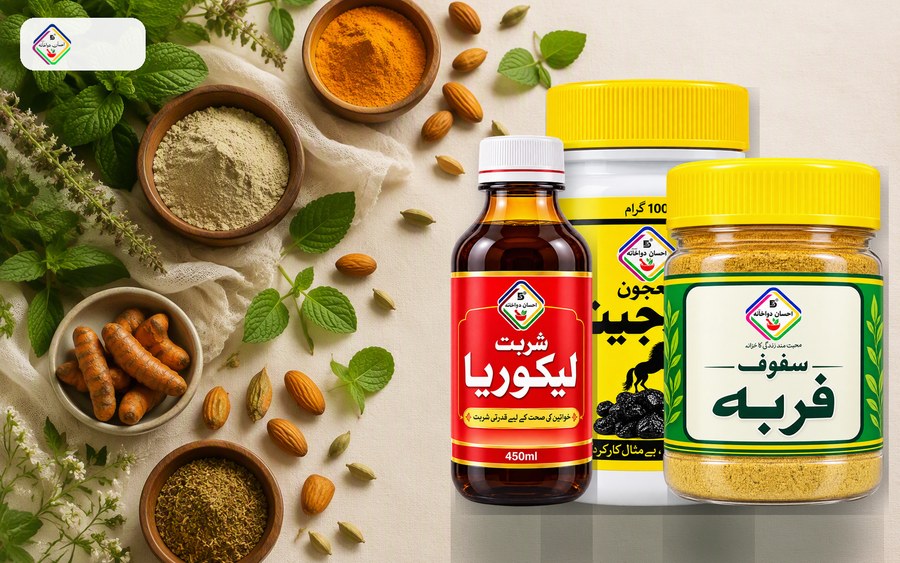
Herbal products come in several forms. The safest starting point is to identify the form, read its label and follow verified directions.
Read the full guide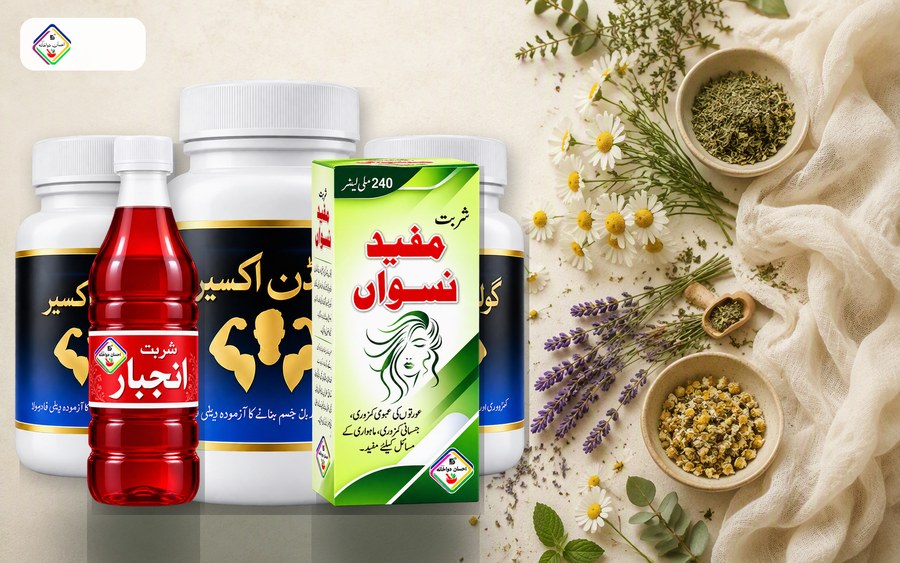
When to Take Precautions
Products described as natural can still cause side effects or interactions. Here is when to stop, reassess or seek professional medical help.
Read the full guideIndigestion and Bloating: Everyday Food Habits
Indigestion can feel like upper-abdominal discomfort, early fullness, bloating, nausea or belching. A simple symptom-and-food routine can help you notice useful patterns.
Read the full guideConstipation: Fibre, Fluids and Daily Routine
Constipation may involve hard stools, difficult bowel movements or going less often than is normal for you. Gradual food and routine changes can support regularity.
Read the full guide
Healthy Weight Gain: A Practical Food-First Guide
Healthy weight gain is gradual and nutrition-led. Regular meals, nourishing snacks and strength-focused movement are more useful than relying on sugary foods alone.
Read the full guideSustainable Weight Management: Small Habits That Last
Lasting weight management is built around repeatable meals, regular movement, sleep and realistic progress—not extreme restriction or rapid promises.
Read the full guideBetter Sleep and Daytime Energy
A consistent sleep schedule, a calmer bedroom and better timing of screens, caffeine and activity can improve the conditions for restful sleep.
Read the full guide
Simple Daily Skin Care for Healthy-Looking Skin
A basic routine—gentle cleansing, moisturising and sun protection—usually serves skin better than a crowded shelf of harsh or frequently changed products.
Read the full guideSore Throat and Common Cold: Gentle Home Care
Most mild colds improve with time. Rest, fluids, clean humidified air and sensible symptom monitoring can make recovery more comfortable.
Read the full guide
Heart-Friendly Daily Habits
Heart health is supported by everyday choices: varied food, less salt and highly processed food, regular movement, no tobacco and proper management of blood pressure, sugar and cholesterol.
Read the full guideEveryday Habits That Support Liver Health
A balanced diet, regular activity, a healthy weight and careful use of medicines and supplements are practical foundations for liver health.
Read the full guideWomen's Nutrition: Iron, Food and Everyday Energy
Iron needs can be higher during menstruation and pregnancy. Food variety, symptom awareness and appropriate testing are safer than guessing or taking high-dose supplements without advice.
Read the full guide
Men's Everyday Wellbeing: Movement, Sleep and Check-ups
Men's wellbeing is supported by regular movement, adequate sleep, balanced food, no tobacco, stress support and timely attention to symptoms rather than delaying care.
Read the full guideHerbal Products and Prescription Medicines: A Safety Checklist
Herbal ingredients can change how medicines work, add side effects or create extra risk around surgery, pregnancy and some medical conditions. A complete product list helps prevent avoidable problems.
Read the full guide